
Uzbekistan Study Abroad Market
Socio-Economic Overview
Uzbekistan is one of the most significant education markets in Central Asia, with an estimated population of approximately 37,5 million people in 2025. It is the most populous country in the region and has a distinctly young demographic profile. More than 60% of the population is of working age (15–64), and a large cohort enters tertiary-age brackets each year, creating sustained demand for post-secondary education.
Uzbekistan has maintained strong economic performance over the past decade, with average annual GDP growth of around 6–7%. Although growth slowed during the pandemic period, the economy has since rebounded and continues to expand at a healthy pace. Rising incomes, increasing urbanisation and a growing middle class are improving households’ ability to invest in education, including study abroad.
Policy Environment and Economic Reforms
Since 2016, the Uzbek government has implemented large-scale reforms aimed at modernizing the economy and increasing international engagement. Key reforms include currency exchange liberalization, simplified business registration processes, tax incentives for investors, improved protection of private property and an expanding privatization agenda. These reforms have increased economic openness and eased access to foreign currency, which is a critical enabler for international student mobility and overseas tuition payments.
Higher Education System
Uzbekistan’s higher education system continues to face challenges related to access, quality and relevance. Despite near-universal enrolment at primary and secondary levels, tertiary participation remains low by international standards. Gross tertiary enrolment is estimated at around 15–20%, reflecting limited institutional capacity and highly competitive admissions processes.
Centralized planning continues to influence enrollment quotas and program availability within public universities, particularly in high-demand fields. As a result, many academically qualified students are unable to secure places in domestic institutions. In response, the government has encouraged expansion through private universities, international branch campuses and transnational education partnerships, increasing exposure to foreign education models.
Outbound Student Mobility Trends
Outbound student mobility from Uzbekistan has grown steadily in recent years. Regional destinations dominate, driven by affordability, geographic proximity and linguistic familiarity. Russia, Kazakhstan and Turkey remain leading destinations, while South Korea has emerged as a fast-growing choice. English-speaking destinations, including the United States, the UK and parts of Europe, are becoming increasingly attractive as English proficiency improves and international career aspirations rise.
Demand is strongest at the undergraduate level, particularly for foundation programmes and full bachelor’s degrees, although interest in professionally oriented master’s programmes is also increasing. Popular fields of study include medicine, engineering, information technology, business and economics.
Recruitment Market Outlook
Uzbekistan represents a high-potential emerging recruitment market for international institutions. A young population, sustained economic growth, limited domestic higher education capacity and ongoing structural reforms are driving demand for overseas study. For recruitment partners and institutions, the strongest opportunities lie in undergraduate pathways, STEM and medical programs, English-taught degrees and transnational education models that offer affordability and clear career outcomes.
Quick facts
Secondary education
Higher education
Upcoming Education Fairs in Uzbekistan


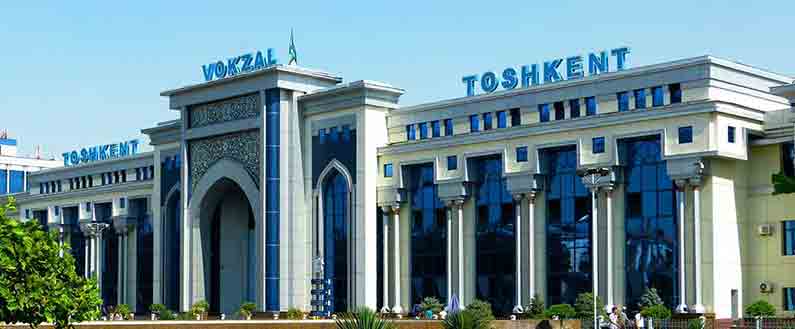
Uzbekistan Education System
Secondary education
In Uzbekistan 11 years of education are compulsory and free, beginning with 4 years at primary school, and followed by 2 phases of secondary education taking 5 and 2 years respectively. Primary school begins at age 6 and there is no specific leaving examination after the 4 years are complete.
The next 5 years are spent at general secondary school from ages 10 to 15. Following that, there is a choice of between 2 to 3 years of upper education at either general or technical vocational schools. The former provides a certificate of completed secondary education and the opportunity to enter university, the latter a diploma of specialized secondary education, through a network of secondary vocational institutions. (Source: scholaro.com)
Specialized secondary education is provided through a network of schools:
- Professionalno-Tehnicheskoye Uchilishe (PTU or Professional Technical School). Graduates receive a Junior Specialist Diploma equal to a Certificate of Complete Secondary Education.
- Tehnikum (Technical College). Graduates receive a Junior Specialist Diploma equal to a Certificate of Complete Secondary Education.
- Lytsei (Lyceum) or various training courses offered by higher education institutions or industry. Graduates receive a Junior Specialist Diploma or
- Diploma of Academic Lyceum equal to a Certificate of Complete Secondary Education.
Higher Education in Uzbekistan
Non university-level tertiary education is provided by national enterprise training centers and a number of business schools, as well as lycea that train professionals in new economic and service fields. Higher education is available from several universities and at the countries 62 higher education institutes.
The following qualifications are delivered by higher education institutions in Uzbekistan:
Bachelor (bakalavr): The Bachelor program provides a fundamental knowledge in one of the branches of higher education for a minimum period of study of four years. Upon completion of the Bachelor program graduates are awarded a Bachelor degree and a state diploma (Bakalavr), which entitles them to start a professional activity or to continue studies at the Master level.
Master (magistr): The Master degree program provides knowledge in specific areas and lasts for a period of minimum two years after the Bachelor program. Upon completion of the Master program students are awarded a state diploma (in Uzbek – Magistr), which entitles them to work in relevant professional areas. Admission to Master degree studies is on a competitive basis. Only students who have obtained a Bachelor degree in a specific field may submit documents to apply for the Master specialty, which corresponds to the previous Bachelor degree program.
Doctor of Science (‘Fanlar doktori’): Once the state requirements for postgraduate education were introduced in January 2013, the two-stage postgraduate education (two scientific degrees ‘Candidate of Sciences’ and ‘Doctor of Sciences’) was replaced by a single level of ‘Doctor of Sciences’ (in Uzbek – ‘Fanlar doktori’).
– Postgraduate education continues for up to 3 years in the following forms:
senior research fellows staff members and;
independent research fellows
Source eacea.ec.europa.eu
Latest Uzbekistan Higher Education study abroad stats
At this point a total of 109,945 students from Uzbekistan are studying abroad in tertiary education. These are the most popular study abroad destinations for Uzbek students:
IB schools in Uzbekistan
- The British School of Tashkent – Tashkent – https://www.nordangliaeducation.com/en/our-schools/uzbekistan/tashkent/british
- Ecole Francaise Tachkent – Tashkent – https://www.ecole-francaise-tachkent.com/
- CIS International School Tashkent – Tashkent – https://cisedu.com/en-gb/campuses/tashkent/tuition-fees/
- Tashkent International School – Tashkent – https://www.tashschool.org/
- Oxbridge International School – Tashkent – https://www.facebook.com/oisuzbekistan/
- Tashkent Ulugbek International School – Tashkent – https://www.facebook.com/tuis.uz/